polyurethane wheels for roller coasters
Quick Summary
- Roller coaster wheels operate under extreme speeds, loads and dynamic forces.
- The right wheel material plays a critical role in safety, reliability and ride performance.
- Polyurethane combines low rolling resistance, wear resistance and excellent dynamic load capacity.
- Not all polyurethane materials are suitable for roller coaster applications.
- Modern roller coaster wheels are engineered to balance speed, durability and rider comfort.
Why Are Roller Coaster Applications So Demanding?
The roller coaster industry is unlike almost any other application area for wheels and rollers.
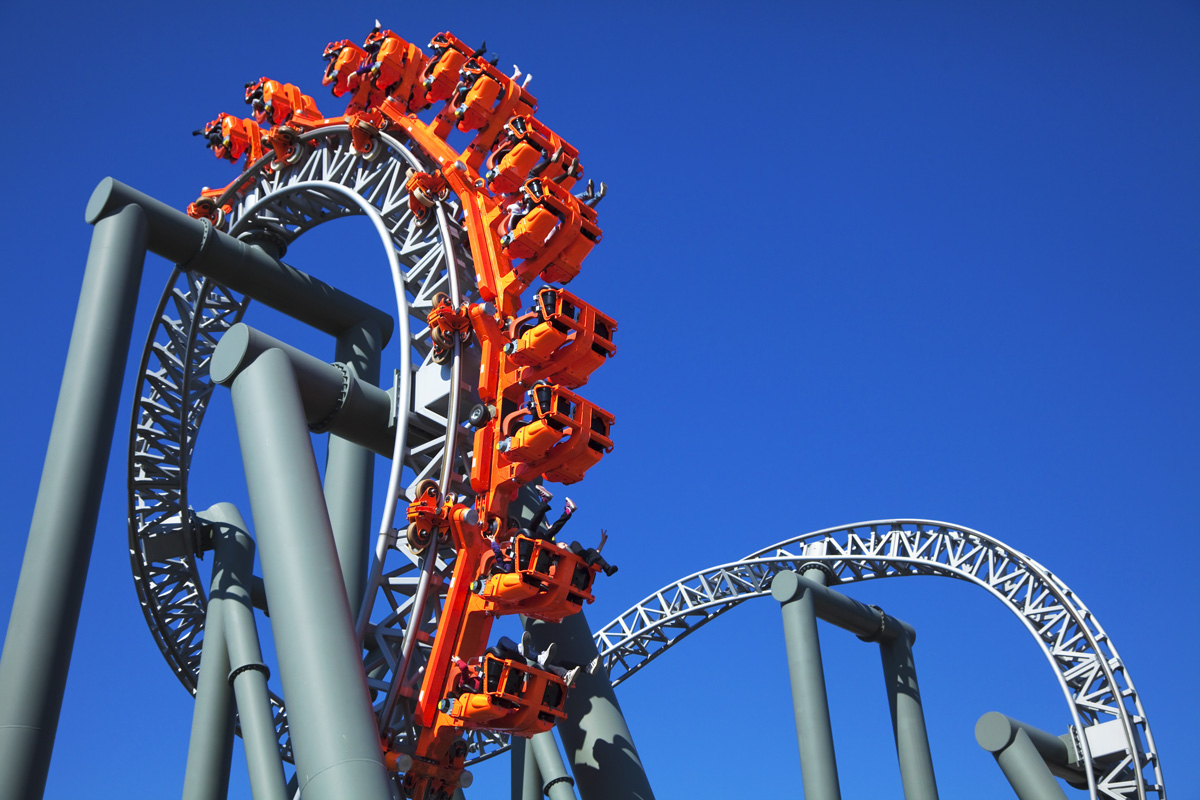
Modern roller coasters are expected to operate safely and reliably while being subjected to extreme forces, high speeds and continuous dynamic loading. With accelerations of up to 5g, roller coaster wheels can experience forces several times greater than the normal force of gravity.
At the same time, operators expect long service life, low maintenance requirements and consistent ride performance throughout the wheel’s lifetime.
As a result, roller coaster wheels require material properties that only a limited number of materials can offer.
Why Is Polyurethane the Preferred Material for Roller Coaster Wheels?
Polyurethane has become the preferred wheel covering material for many modern roller coasters because it combines the strength of engineering plastics with the elasticity of rubber.
This combination provides a unique balance between durability, performance and rider comfort.
Key material requirements for roller coaster wheels
| Requirement | Why It Matters |
|---|---|
Low rolling resistance |
Controls speed and reduces heat build-up |
Wear resistance |
Extends wheel lifetime |
Dynamic load capacity |
Handles extreme impact loads |
Vibration damping |
Improves ride comfort and reduces noise |
Heat resistance |
Maintains performance at high speeds |
If a wheel material does not meet these requirements, performance and reliability can be affected. Excessive rolling resistance, for example, can cause unwanted heat build-up and influence ride performance, while insufficient wear resistance can reduce wheel lifetime.
Are All Polyurethane Materials Suitable for Roller Coaster Wheels?
Not all polyurethane materials offer the same performance characteristics.
A common misconception is that hardness alone determines how a wheel will perform. In reality, two polyurethane materials with the same hardness can behave very differently when exposed to high speeds, dynamic loads and demanding operating conditions.
Properties such as rolling resistance, wear resistance, heat resistance, resilience and dynamic load capacity can vary significantly depending on the polyurethane formulation. These differences can have a major impact on wheel performance, service life and overall ride reliability.
For roller coaster applications, different polyurethane systems may be selected depending on factors such as speed, load, temperature, wheel function and environmental conditions.
For example, LUC Group offers several proprietary polyurethane materials that are widely used within the amusement ride industry, including LUCANYL, LUCOLLAN-S and LUCPREEN-DT. Each material has been developed for specific operating conditions, ranging from the most demanding high-speed and high-load applications to more moderate ride environments.
With more than 500 polyurethane material grades available, LUC Group is able to tailor wheel solutions to the specific requirements of each roller coaster application.
For this reason, selecting the right polyurethane material should always be based on complete application data rather than hardness alone. The most suitable material depends on the combination of speed, load, operating conditions and performance requirements of the ride.
Why Roller Coaster Wheels Are Different From Most Industrial Wheels
Many industrial wheel applications operate at moderate speeds and relatively stable loads.
Roller coaster wheels are different.
They must withstand:
- High operating speeds
- Continuous dynamic loading
- Significant impact forces
- Varying environmental conditions
- Strict safety requirements
These demands make material selection particularly critical.
A wheel that performs successfully in another industrial application may not necessarily be suitable for use on a roller coaster.
Choosing the Right Roller Coaster Wheel
Selecting the right roller coaster wheel involves much more than choosing a material hardness.
Factors such as speed, load, environmental conditions, wheel dimensions and expected service life all influence the final material selection.
Based on these application requirements, different polyurethane systems can be selected to optimize performance, reliability and durability.
This engineering approach helps ensure that each wheel solution is matched to its intended application.
The most suitable wheel solution depends on the specific requirements of the ride. Selecting the right combination of material and wheel design is essential for achieving long service life, reliable operation and consistent ride performance.
How LUC Supports Roller Coaster Manufacturers and Parks
For more than four decades, LUC Group has supplied polyurethane solutions to the amusement ride industry.
In addition to material expertise, LUC supports ride manufacturers and operators through application analysis, material selection and wheel design recommendations.
By combining engineering knowledge with extensive polyurethane expertise, solutions can be developed for demanding roller coaster applications ranging from family rides to some of the fastest and most demanding roller coasters in operation today.
LUC Group supports amusement ride manufacturers and operators with engineered polyurethane wheel solutions tailored to their specific requirements.